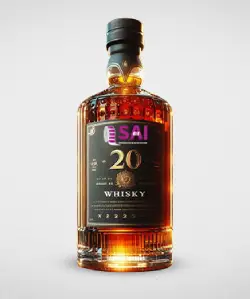
No category depends on its label like wine and spirits. The liquid is invisible; the bottle shapes are similar; the price ladder is steep. What separates a ₹800 bottle from a ₹8,000 one at the shelf is, overwhelmingly, what the label communicates in three seconds.
The Materials of Premium
Textured & Uncoated Papers
Cotton, felt-marked and laid papers carry craft authority - fingertips read them as artisanal before the eyes read a word. They pair beautifully with letterpress-style debossing and foil. (The psychology is the same one we covered for tactile labels.)
Wet-Strength Grades: Non-Negotiable
Wine and beer meet ice buckets; spirits meet condensation at the bar. Standard paper disintegrates. Wet-strength papers keep their integrity and looks when soaked - always specify them for anything served chilled.
Clear Films for Contemporary Looks
Vodka, gin and RTD brands lean on clear film “no-label look” designs that show the liquid and glasswork. Details in our clear film guide.
The Finishes That Signal Quality
- Hot foil stamping: gold and copper foils remain the strongest single premium cue on the shelf.
- Embossing & debossing: raised crests and pressed type invite touch - and touched bottles get bought.
- Screen high-build (raised UV): glossy raised elements over matte grounds create the contrast premium design lives on.
- Matte lamination + spot gloss: the workhorse combination for modern premium at moderate cost.
We combined several of these for an export client in our premium export labels case study; the craft sequence is described in how premium labels are made.
Design Rules From the Shelf
- Hierarchy in three seconds: brand → variety/style → origin/age. If a shopper cannot reconstruct that from 2 metres, simplify.
- Front label restraint: premium reads as space. Move the story to the back label.
- Neck labels & capsules: small, high-value real estate for vintage, awards or limited-edition numbering - a natural fit for numbered editions via VDP.
- Bar visibility: spirits live in dim back-bars; foil and contrast that read under low light earn repeat pours.
Compliance Corner (India)
State excise rules govern much of Indian liquor labelling - statutory warnings, MRP and volume declarations, batch details, and state-specific stickers or QR excise marks. Imported products add FSSAI import labelling. Two practical notes:
- Leave a clean zone in your dieline for excise stickers/codes so they never cover brand elements.
- Batch and excise data are ideal candidates for printed-in variable data rather than error-prone line overprinting.
Launching or refreshing a wine or spirits brand? Sai Impression produces wet-strength, foiled, embossed and numbered wine & spirits labels for domestic and export bottlers. Request the premium sample pack →
FAQ
What label material is best for wine bottles served in ice buckets?
Wet-strength paper with appropriate wet-tack adhesive - it survives hours of immersion without wrinkling or sliding. Standard papers fail visibly within minutes.
Which finishes make a spirits label look premium?
Hot foil, embossing and raised screen UV over matte grounds are the strongest cues. Restraint multiplies them - one or two well-placed effects beat five competing ones.
Can small distilleries afford premium label finishes?
Yes - digital printing plus offline foil/emboss makes short premium runs economical, and limited editions can even be individually numbered. See digital vs flexo for the economics.
What must legally appear on liquor labels in India?
Requirements vary by state excise rules but commonly include statutory health warnings, alcohol strength, net volume, MRP, batch/manufacturing details and licensed-premises information - plus state excise marks. Confirm per target state before printing.